

How Interior Walls Can Tackle Humidity
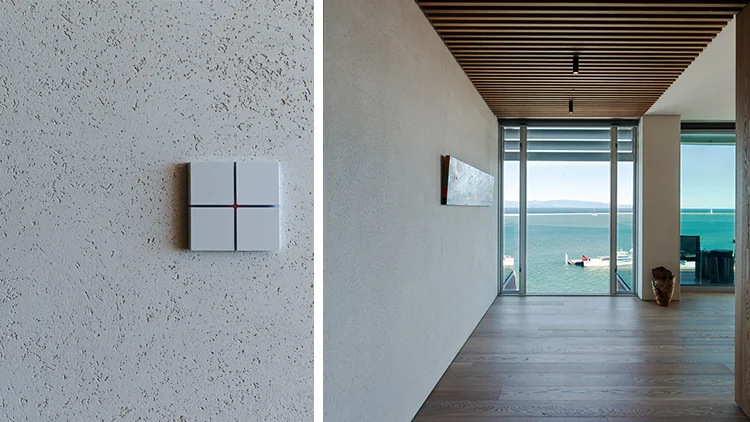
Image above: Wakefield Quay Apartments, Nelson. Float Finish.
Humidity in New Zealand can be a challenge, from the deep South to the subtropics of the mid-upper North Island. In regions like Auckland and Northland, average annual humidity levels are relatively high at 82% and 84%, contributing to hot, sticky, muggy summers for around two million people.
Indoors, excess humidity can be especially noticeable in bedrooms, kitchens and workplaces, gradually creating environments that feel uncomfortable and, over time, potentially unhealthy. To combat this, we can bring out the dehumidifier, turn our fans or air conditioning on, but results vary depending on the situation. There is however, another approach.
StoCalce Functio offers a more permanent, passive solution. Integrated directly onto the interior wall, StoCalce Functio is a state-of-the-art plaster system designed to naturally regulate indoor humidity. The plaster system consists of a humidity-regulating basecoat and finishing coat that work together, helping to create a healthier and more comfortable ambient climate.
The system is based on the unique benefits of lime and clay. It’s porous plaster structure utilises the properties clay to store humidity temporarily — up to 90g of water per square metre within eight hours — before gradually releasing it again when conditions allow. While, lime offers durability, design and application advantages that have stood the test of time.
“For new builds or refurbishments, over plasterboard or masonry, the unique characteristics of the plaster system make it a popular choice — not just for humidity management, but as a natural and aesthetic alternative to conventional interior wall finishes,” says Sto NZ Marketing Manager, Ben Andersen. “It’s got a number of functions as a plaster system which makes it pretty unique, and it’s completely natural.”
A sustainable option
StoCalce Functio’s materiality is another key strength. Naturally alkaline, the plaster eliminates the need for anti-microbial preservatives commonly required during storage. Free from harmful chemicals or emissions, it is well suited to projects where indoor air quality, material health and sustainability are key priorities.
Its passive approach to humidity control also supports lower operational energy use. By helping reduce reliance on electrical solutions such as dehumidifiers and air conditioning, StoCalce Functio contributes to a reduced carbon footprint over the life of the building.
“By regulating moisture naturally, the system helps protect interior spaces while supporting occupant health and wellbeing,” says Ben. “It reduces the risk of moisture-related issues like mould and condensation, delivering longer-lasting, healthier interiors.”
Designed to be seen
Beyond performance, StoCalce Functio delivers strong aesthetic appeal. Interior finishes play a defining role in the look and feel of a space, and the system offers a range of application techniques, textures and colours to suit individual project requirements. See a selection of projects below.
Finishes are naturally tinted using StoCalce colour tints or PeterFell coloured oxides and applied by a registered Sto Contractor, backed by a 5-year StoWarranty.
“The plaster system is all hand-applied, and under different environmental conditions and lighting influences, it really does provide each project its own uniqueness,” says Ben. “A bit like StoCalce Functio as a whole.”
Sto System: StoCalce Functio Interior Plaster System
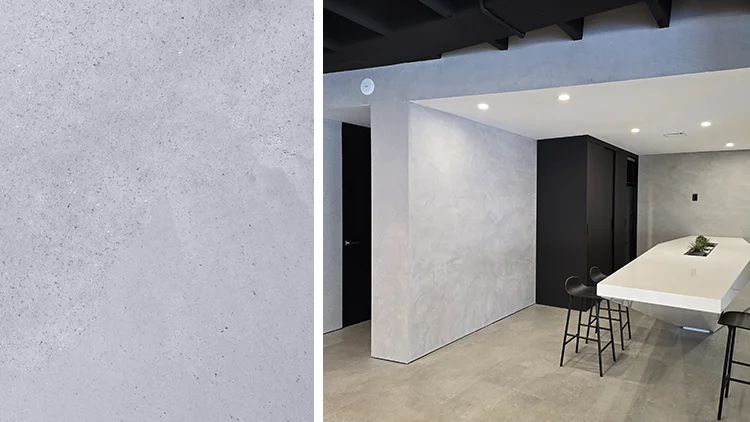
Gazley Motors, Wellington. Smooth Float Finish.
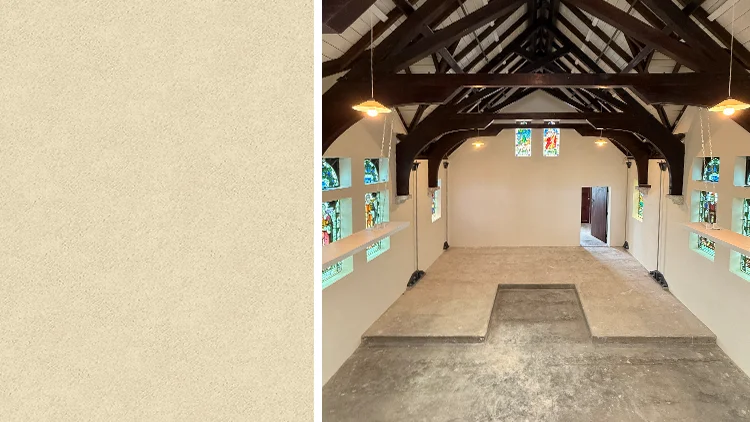
Saint Oswald's Church, Wharanui. Light Sponge Finish.
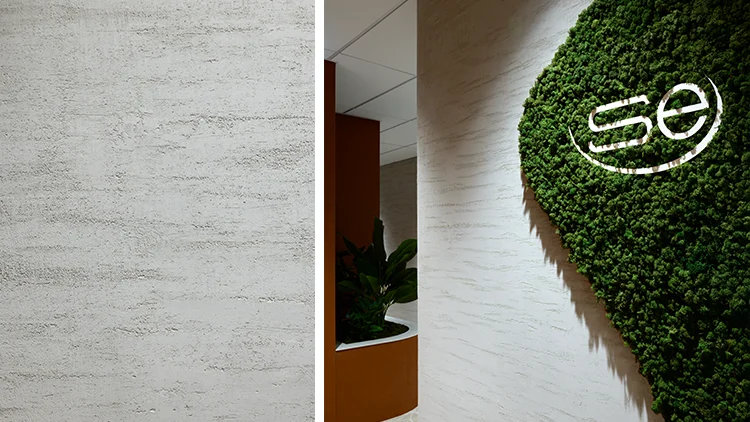
SecuritEase Offices, Wellington. Travertine Finish.
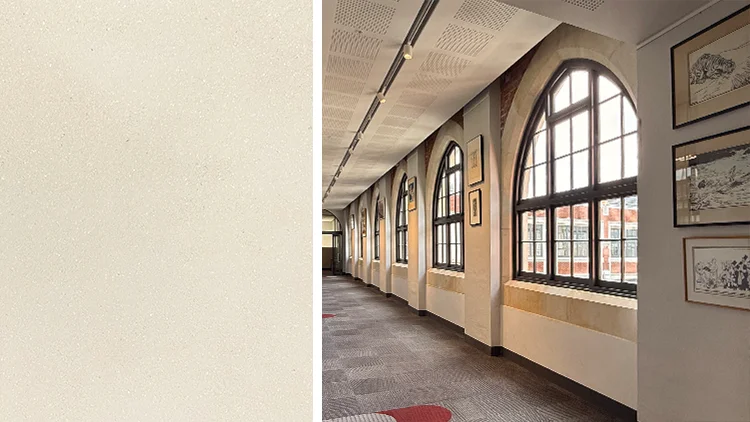
Christchurch Boys' High School. Float Finish.
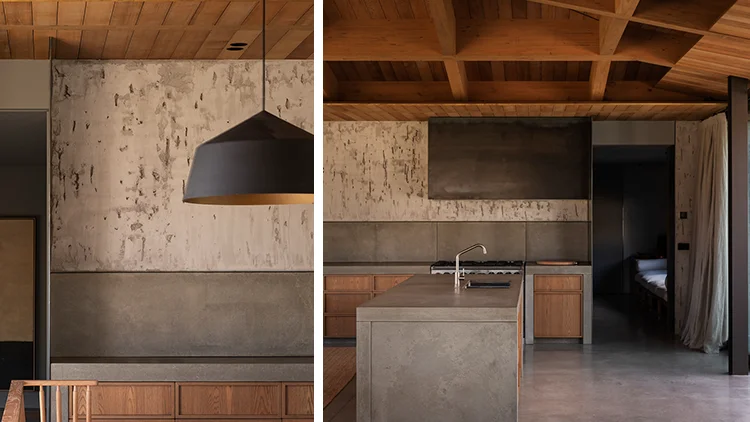
Matagouri House, Queenstown. Bespoke Concrete Finish.


